
Case Study: How Drones Improved Asset Management for a San Diego Real Estate Firm
MN
Introduction to Drones in Real Estate
The real estate industry continually seeks innovative solutions to enhance efficiency and accuracy. In recent years, drones have emerged as a powerful tool, transforming how properties are managed and marketed. A San Diego real estate firm recently adopted drone technology, significantly improving their asset management processes.
The Challenges of Traditional Asset Management
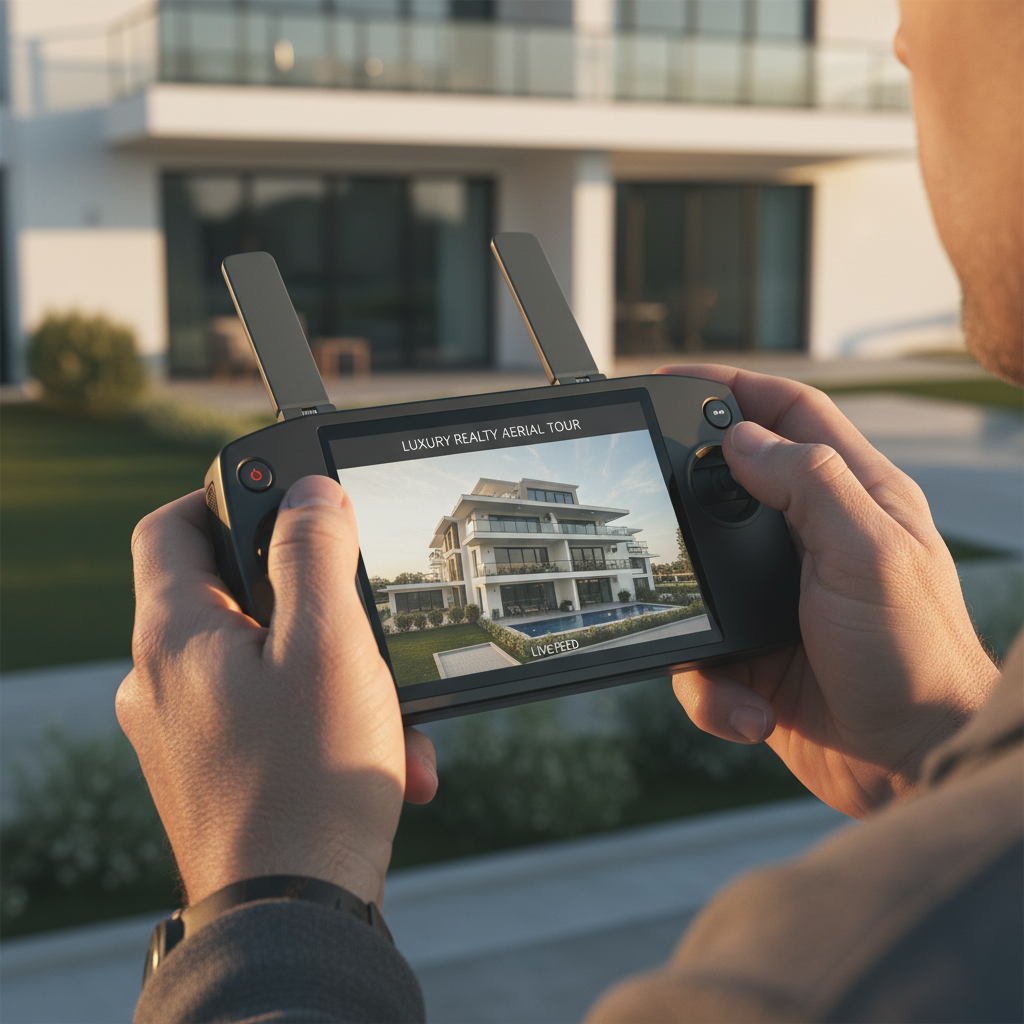
Prior to implementing drone technology, the firm faced several challenges in asset management. Inspecting large properties required substantial time and resources, often leading to inefficiencies. Additionally, capturing comprehensive aerial views and detailed property data was both costly and time-consuming.
These challenges highlighted the need for a more efficient approach, prompting the firm to explore the potential of drones in their operations.
Implementing Drone Technology
The firm decided to integrate drones into their asset management strategy, aiming to streamline property inspections and enhance data collection. This decision was driven by several factors:
- Efficiency: Drones can cover large areas quickly, reducing the time needed for inspections.
- Cost-effectiveness: Minimizing the need for manual inspections lowered operational costs.
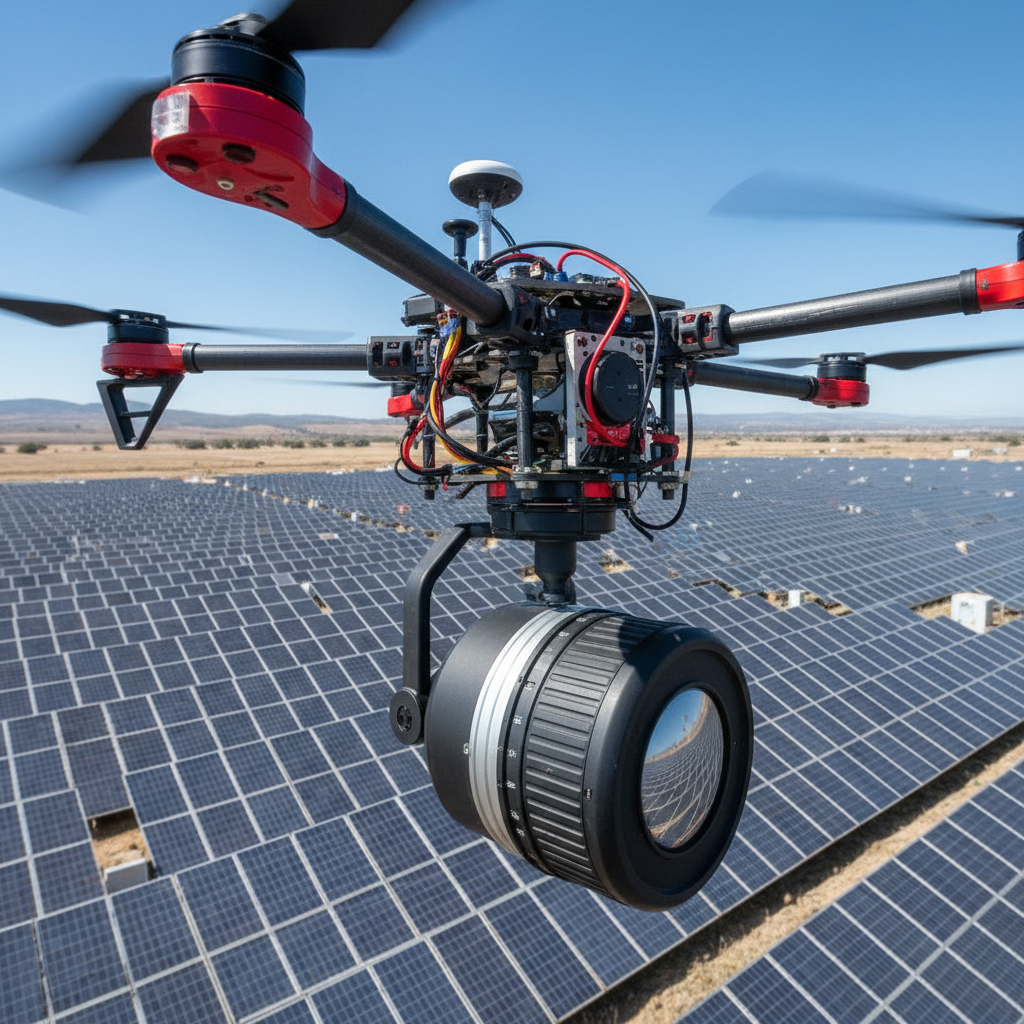
- Data Accuracy: High-resolution cameras and sensors on drones provided detailed and precise data.

Benefits Realized
After implementing drone technology, the firm experienced several key benefits. Firstly, the speed of property inspections improved dramatically, allowing the team to focus on other critical tasks. Secondly, the quality of data collected enhanced decision-making processes, providing a comprehensive view of each asset.
Moreover, the firm leveraged drone imagery for marketing purposes, showcasing properties from unique angles that were previously difficult to capture.
Case Study Results
The positive impact of drones was evident in the firm’s operational efficiency and customer satisfaction. Here are some of the measurable outcomes:
- Inspection Time Reduced: Inspection time was cut by 50%, allowing faster turnaround for clients.
- Cost Savings: Operational costs decreased by 30% due to reduced manual labor and equipment expenses.
- Enhanced Marketing: Listings with drone footage attracted more views and inquiries.
Conclusion
By embracing drone technology, the San Diego real estate firm transformed its asset management processes, achieving greater efficiency and accuracy. This case study demonstrates the significant advantages of adopting innovative solutions in the real estate industry.
As technology continues to evolve, more firms are likely to explore drones and other advanced tools, setting new standards in property management and marketing.