
Case Study: Successful Environmental Monitoring in California with Drones
MN
Introduction to Environmental Monitoring with Drones
In recent years, the use of drones for environmental monitoring has gained significant traction, offering a new perspective on data collection and analysis. California, with its diverse ecosystems and frequent environmental challenges, has become a prime location for deploying this technology. This case study explores how drones are being successfully utilized for environmental monitoring across the state.
The Need for Advanced Monitoring Solutions
California faces a range of environmental issues, from wildfires to droughts. Traditional methods of monitoring such as satellite imagery and ground surveys often fall short in providing real-time, detailed data. Drones, however, present a solution that bridges this gap by offering on-demand insights with high precision.
The ability to rapidly deploy drones in areas that are otherwise inaccessible provides a distinct advantage. This flexibility is particularly crucial in emergency situations where time-sensitive data can make a significant impact on decision-making processes.
How Drones Enhance Data Collection
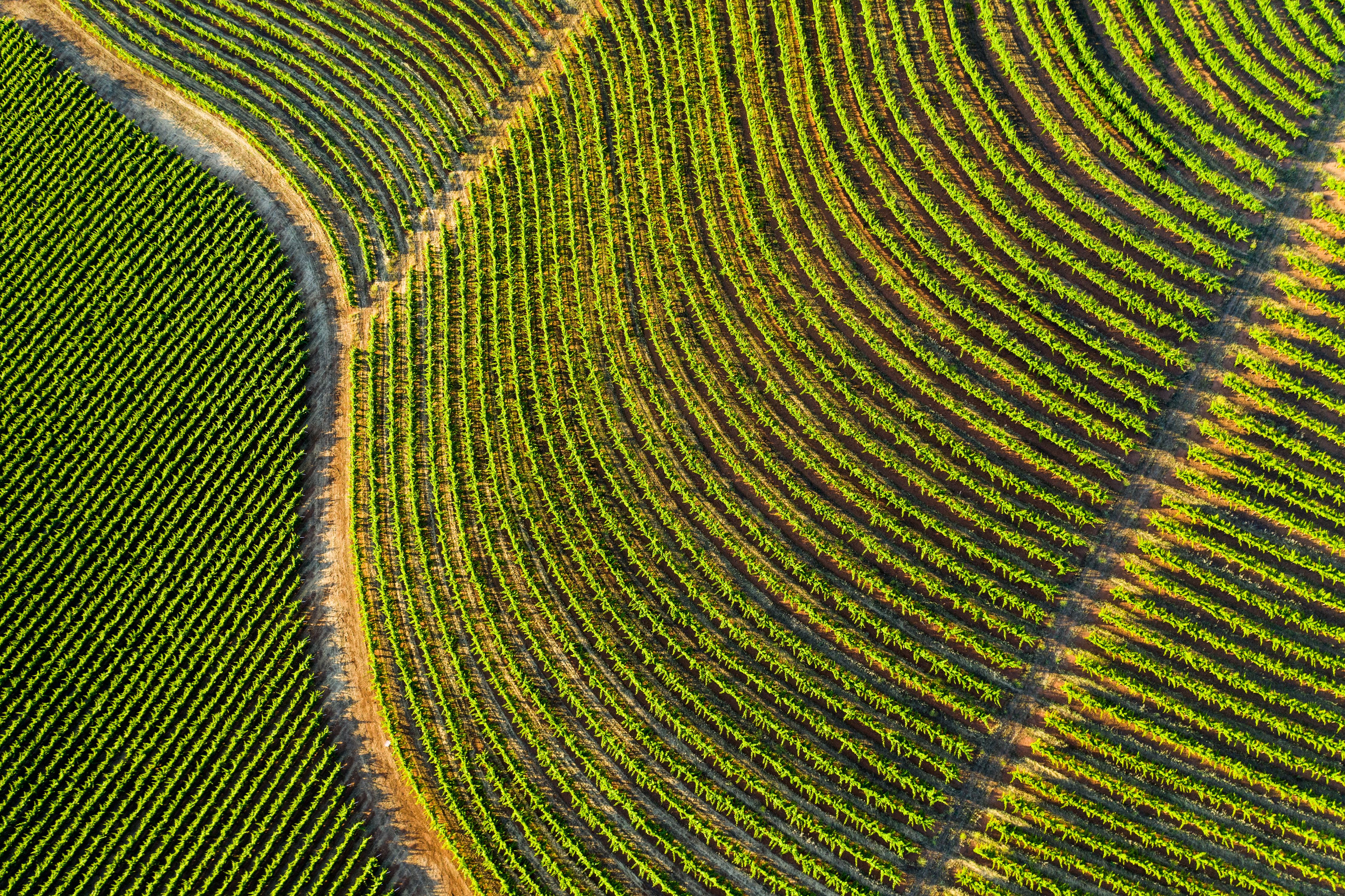
Drones equipped with advanced sensors can capture a variety of data types, such as thermal images, multispectral scans, and high-resolution photographs. This capability enables researchers and officials to monitor environmental changes with unprecedented detail.
For instance, drones can detect temperature variations in forested areas, which can be critical in early wildfire detection. They can also assess vegetation health and water quality, providing insights that are integral to conservation efforts.
Case Study: A Success Story
One notable example of successful environmental monitoring with drones in California is the project conducted in the Sierra Nevada region. Here, drones were used to track snowpack levels, providing vital information for water resource management. This project demonstrated how drone technology could lead to more efficient and accurate data collection compared to traditional methods.
By analyzing the data gathered, state officials were better equipped to manage water reservoirs and predict potential water shortages, showcasing the tangible benefits of integrating drones into environmental monitoring strategies.

Challenges and Considerations
While the benefits of using drones are clear, there are challenges that need to be addressed. These include regulatory restrictions, privacy concerns, and the need for specialized training to operate drone technology effectively.
Moreover, the integration of drones into existing monitoring frameworks requires careful planning and collaboration between government agencies, environmental organizations, and technology providers.
The Future of Drones in Environmental Monitoring
The successful implementation of drone technology in California sets a precedent for its use in other regions. As technology continues to advance, we can expect drones to play an even more significant role in environmental conservation and management.
Ongoing research and development promise enhancements in drone capabilities, making them more efficient and accessible for widespread use. The potential for drones to transform environmental monitoring is vast, and California's experience offers valuable insights for future applications.

Conclusion
In conclusion, the use of drones for environmental monitoring in California illustrates a successful integration of technology into environmental management practices. The insights gained from this case study highlight the potential for drones to revolutionize how we approach environmental challenges, providing a blueprint for other states and countries to follow.