
Enhancing Infrastructure Maintenance with Drone Technology
MN
Introduction to Drone Technology in Infrastructure
The use of drone technology in infrastructure maintenance is rapidly transforming how we approach the upkeep of essential structures. Drones offer unparalleled advantages in terms of efficiency, safety, and cost-effectiveness, making them a game-changer in the field. By leveraging drones, companies can monitor and maintain infrastructure with greater precision and less risk.
Benefits of Using Drones in Maintenance
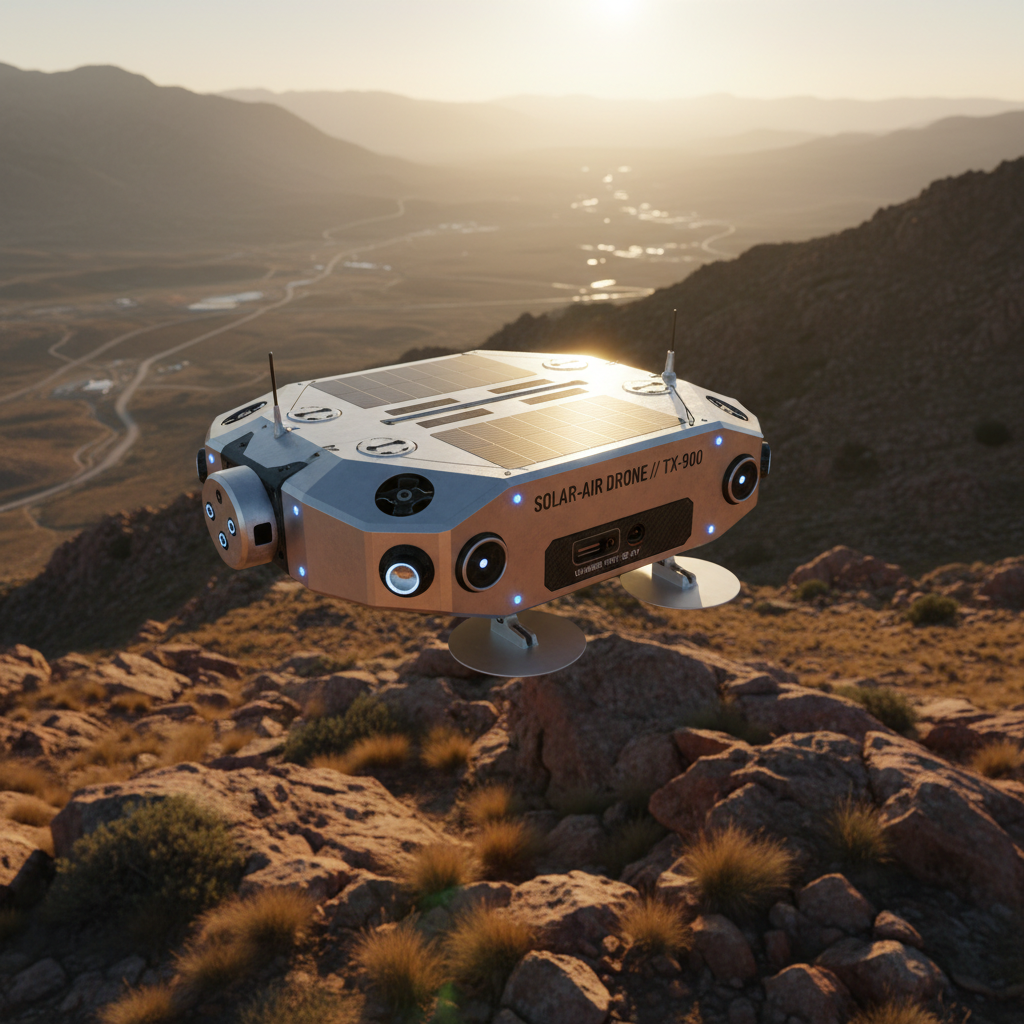
Drones provide several benefits that traditional methods cannot match. Firstly, they can access hard-to-reach areas without the need for scaffolding or heavy machinery. This ability significantly reduces the time and costs associated with inspections. Moreover, drones equipped with cameras and sensors can capture high-resolution images and data, allowing for detailed analysis.
Another advantage is improved safety. Infrastructure maintenance often involves working at heights or in hazardous environments. Drones eliminate the need for human presence in these risky areas, reducing the likelihood of accidents and ensuring a safer work environment.
Cost Efficiency and Time Savings
One of the most compelling reasons to integrate drone technology is the potential for significant cost savings. Traditional inspection methods can be labor-intensive and time-consuming. Drones streamline these processes, enabling quick data collection and analysis. This efficiency translates into lower labor costs and faster project completion times.
Applications of Drone Technology in Infrastructure
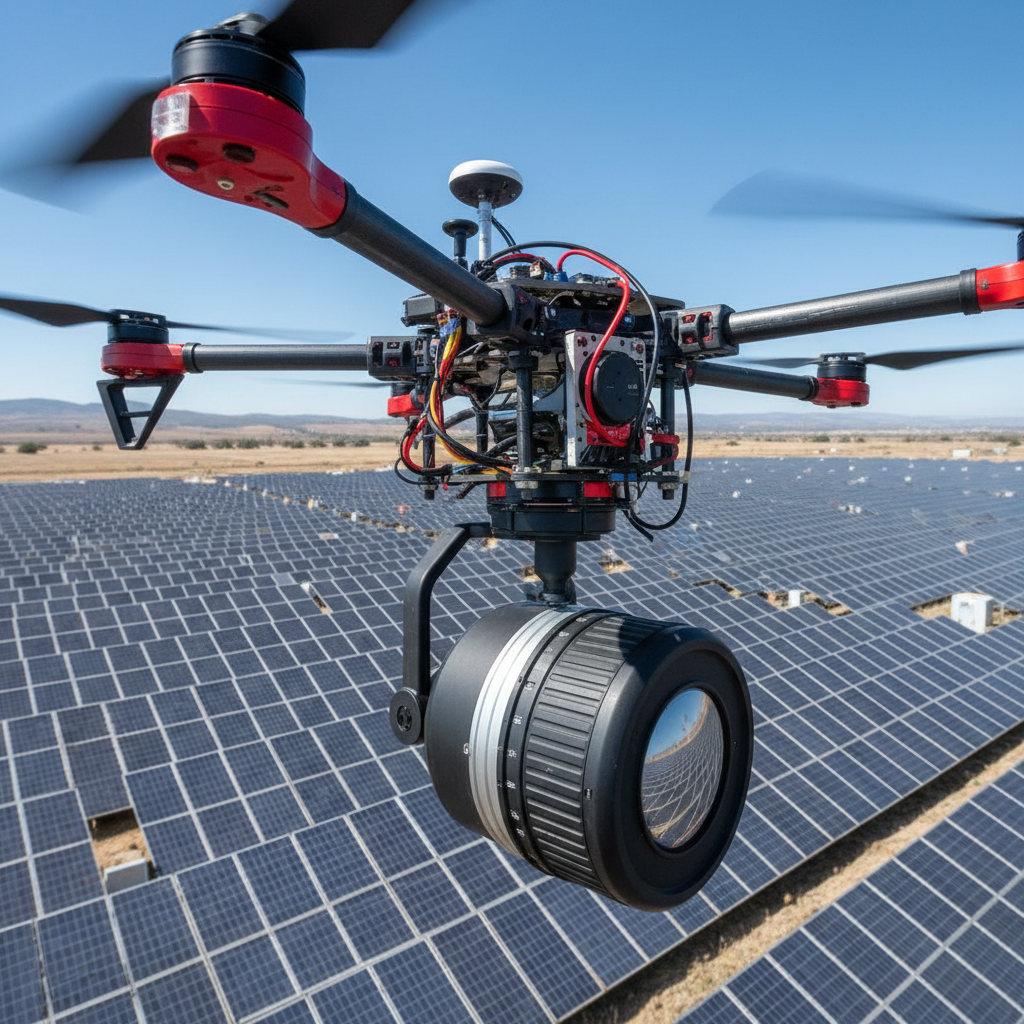
Drones are versatile tools used across various sectors of infrastructure maintenance. In the field of bridge inspections, drones can fly under and around structures, capturing detailed images of difficult-to-reach areas. Similarly, in power line inspections, drones can safely navigate around electrical structures, identifying potential issues without interrupting service.
Additionally, drones are instrumental in monitoring roadways and railways. They can quickly survey large stretches of infrastructure, identifying wear and tear or potential hazards. This proactive approach helps prevent costly repairs and ensures continued safety for users.
The Role of Advanced Sensors and AI
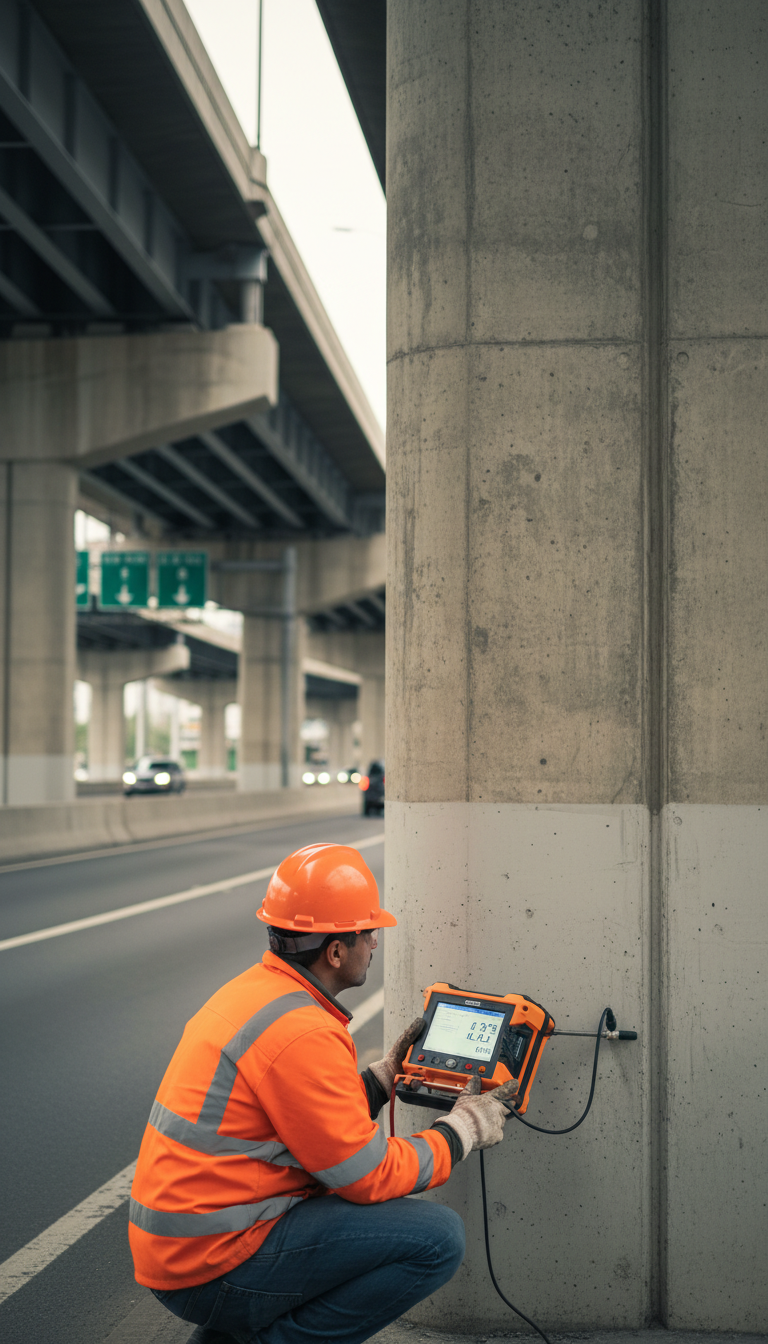
Equipped with advanced sensors and AI technology, drones can do more than just take pictures. They can perform thermal imaging to detect heat leaks or moisture intrusion, and even use LiDAR for creating detailed 3D maps of infrastructure. These capabilities allow for more comprehensive assessments and informed decision-making.
AI integration further enhances the capabilities of drones by allowing for real-time data analysis and predictive maintenance. By analyzing patterns and anomalies, drones can forecast potential failures before they occur, enabling preemptive maintenance measures.
Future Prospects and Challenges
The future of drone technology in infrastructure maintenance looks promising, with continuous advancements on the horizon. As technology evolves, drones will become even more efficient, autonomous, and capable of handling complex tasks. However, challenges such as regulatory compliance, privacy concerns, and the need for skilled operators must be addressed.
Collaborations between stakeholders, including government agencies, technology companies, and industry experts, are essential to overcome these obstacles. By working together, the full potential of drones in infrastructure maintenance can be realized, leading to safer, more efficient, and cost-effective practices.