
Maximizing Efficiency with Drone-Based Roof Condition Assessments
MN
The Rise of Drone Technology in Roof Assessments
The integration of drone technology in various industries has revolutionized the way tasks are performed, and roof condition assessments are no exception. Drones offer a faster, safer, and more cost-effective alternative to traditional methods. By utilizing aerial perspectives, they provide comprehensive evaluations without the need for cumbersome equipment or dangerous climbs.
Benefits of Drone-Based Assessments
Implementing drones in roof assessments brings a multitude of benefits. Firstly, they significantly reduce the time and manpower required. A task that might take hours using conventional methods can be completed in a fraction of the time with drones. Additionally, they minimize risks associated with manual inspections, ensuring safety for professionals involved.
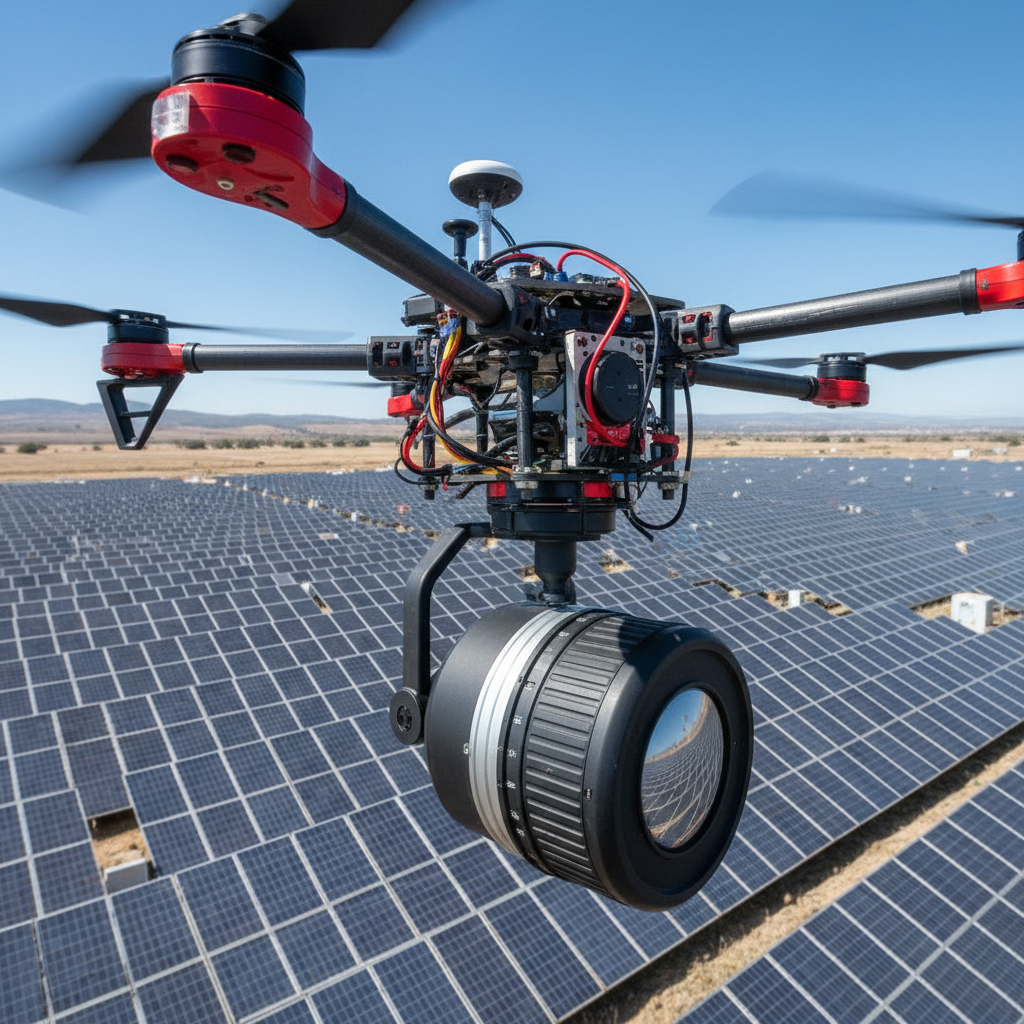
Another notable advantage is the precision and accuracy drones offer. Equipped with high-resolution cameras and sensors, drones capture detailed images, allowing for thorough analysis. This level of detail is crucial for identifying potential issues such as leaks, cracks, or structural damage.
Cost-Effectiveness and Resource Management
Drone-based assessments are not only efficient but also cost-effective. By reducing the need for extensive labor and equipment, businesses can allocate resources more strategically. This approach can lead to significant savings in both time and money, making it an attractive option for property managers and homeowners alike.

Improved Data Collection and Analysis
Drones facilitate enhanced data collection, providing high-quality images and videos that can be used for detailed analysis. The data collected can be seamlessly integrated into digital platforms, allowing for comprehensive reporting and easier data management.
Furthermore, advanced software tools can analyze this data to predict potential future issues, enabling proactive maintenance strategies. This predictive capability ensures that small problems are addressed before they escalate into costly repairs.
Environmental Considerations
In addition to operational benefits, drones contribute to environmental sustainability. By reducing the need for fuel-powered equipment and minimizing human intervention, they help lower the carbon footprint associated with roof inspections. This aligns with the growing trend of eco-friendly business practices.

Challenges and Considerations
While drone technology offers numerous advantages, there are challenges to consider. Regulatory compliance is a significant factor, as operators must adhere to local aviation laws and obtain necessary permits. Weather conditions can also impact drone operations, potentially delaying assessments.
Moreover, investing in drones and training personnel requires an initial financial outlay. However, the long-term benefits and savings often outweigh these initial costs, making it a worthwhile investment for many businesses.
The Future of Drone-Based Roof Assessments
As technology advances, the capabilities of drones in roof assessments are expected to expand even further. Integration with artificial intelligence and machine learning could enhance data analysis, providing even more accurate and actionable insights.
In conclusion, drone-based roof condition assessments represent a significant advancement in the field of building maintenance. By maximizing efficiency, reducing costs, and improving safety, they are poised to become the standard approach in the industry.