Top 5 Myths About Environmental Monitoring Drones Debunked
MN
Introduction to Environmental Monitoring Drones
Environmental monitoring drones have revolutionized the way we gather data about our planet. Their advanced sensors and capabilities provide detailed insights into various environmental factors. However, several myths persist about their use and effectiveness. In this post, we’ll debunk the top five myths surrounding these innovative tools.
Myth 1: Drones Are Too Expensive for Widespread Use
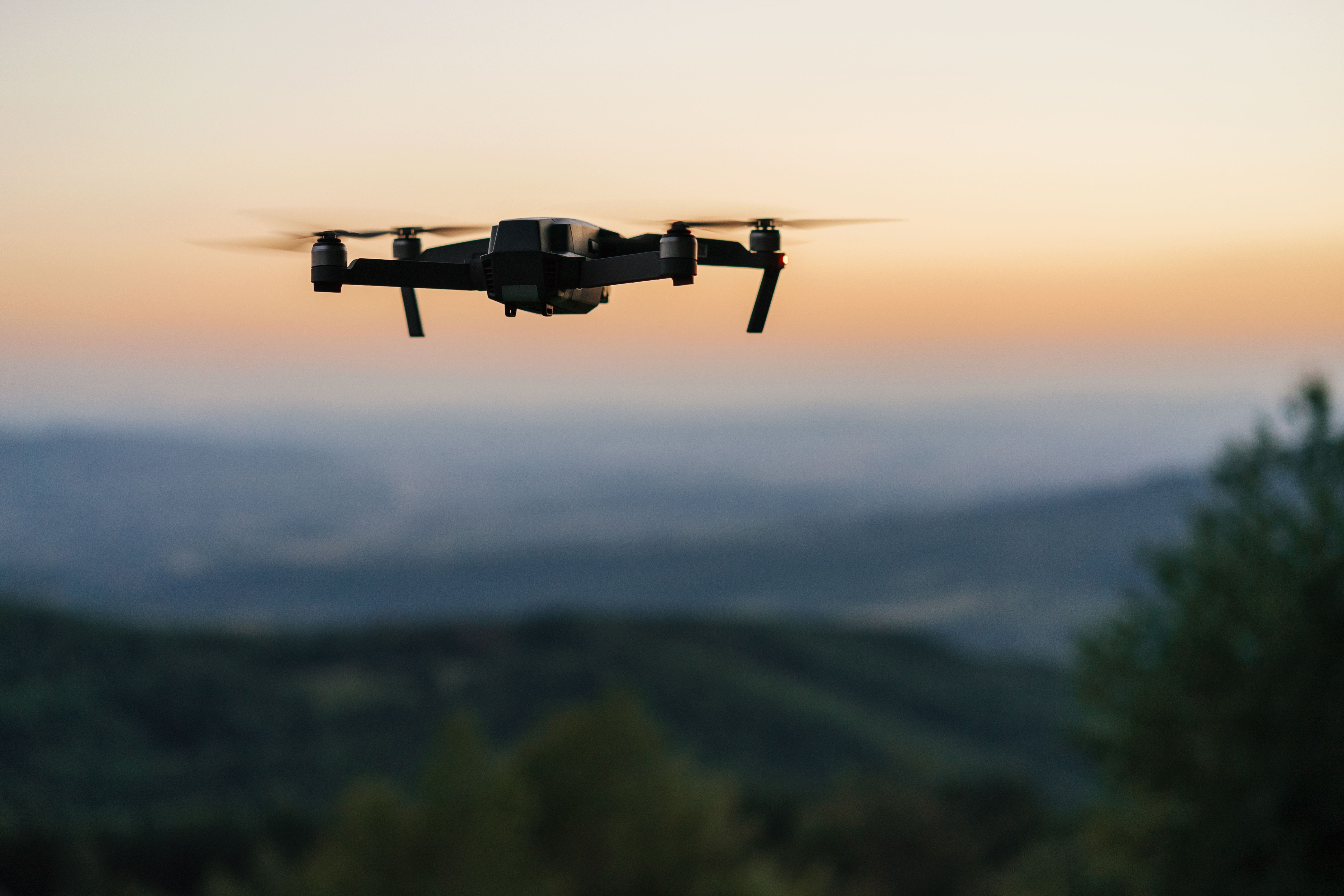
Many people believe that drones are prohibitively expensive, limiting their use to only large organizations. While it’s true that some high-end models can be costly, there are many affordable options available that provide excellent capabilities for environmental monitoring. Prices have decreased significantly as technology has advanced, making drones accessible to smaller organizations and even individuals.
Cost-Effective Solutions
Various companies offer leasing options and packages tailored for specific monitoring needs. These solutions make it feasible to utilize drones without a significant upfront investment. Additionally, the cost savings from the data collected can outweigh the initial expenditure.
Myth 2: Drones Lack Accuracy Compared to Traditional Methods
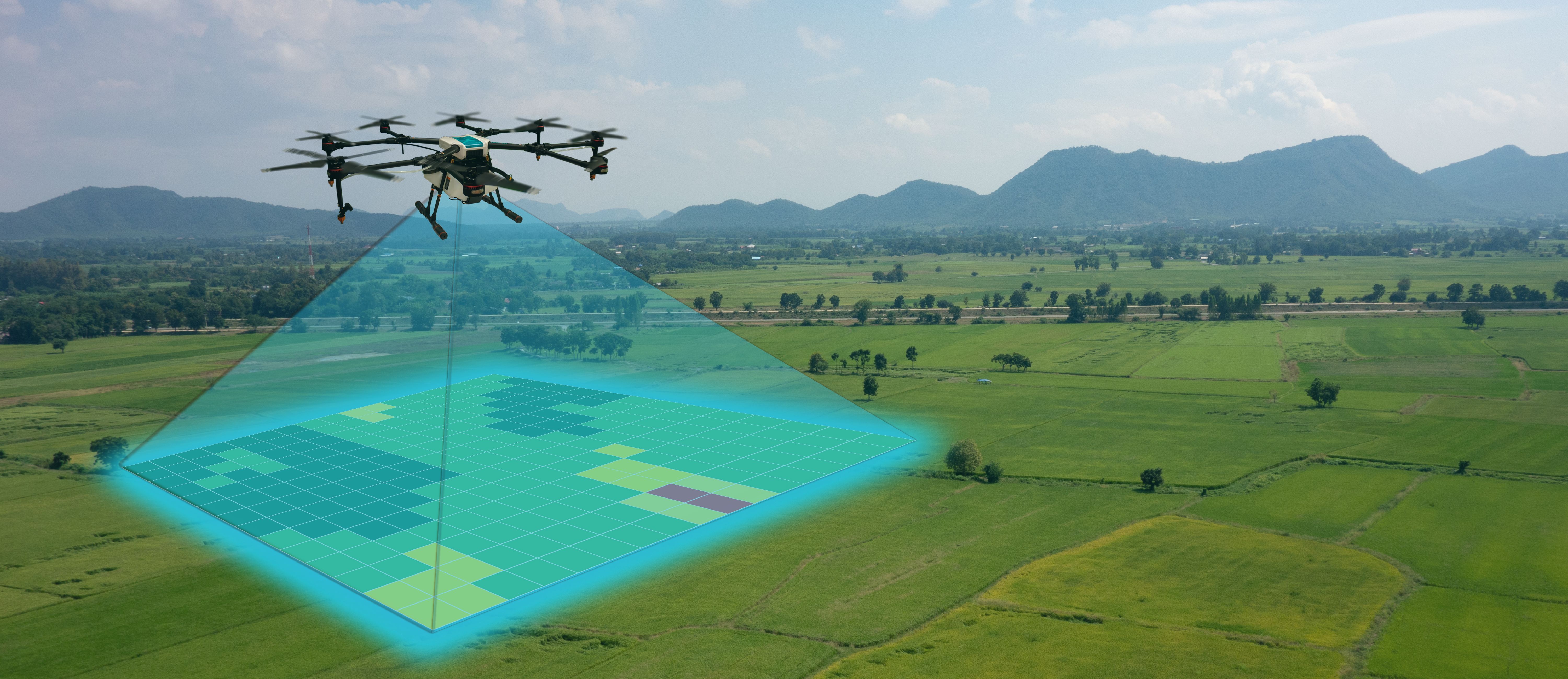
Another common misconception is that drones cannot match the accuracy of traditional monitoring techniques. In reality, drones equipped with state-of-the-art sensors can provide highly accurate data. They offer real-time monitoring capabilities that surpass many traditional methods.
Advanced Sensor Technology
Drones can be equipped with a variety of sensors, including thermal, multispectral, and LiDAR. These sensors collect data with precision, enabling detailed analysis and assessment of environmental conditions.
Myth 3: Drones Are Difficult to Operate
Some believe that operating a drone requires extensive training and technical expertise. While a certain level of understanding is necessary, modern drones are designed to be user-friendly. Many models come with intuitive controls and software that simplify the operation process.
Training and Support
Manufacturers often provide comprehensive training and support to ensure users can operate drones efficiently. Additionally, numerous online resources and communities are available to help new users get started.

Myth 4: Drones Are Only Useful for Large-Scale Projects
It’s a common belief that drones are only suitable for large-scale environmental projects. However, drones are versatile tools that can be adapted for various scales of monitoring, from small local projects to expansive geographical studies.
Scalable Applications
Whether monitoring a small forest area or an entire coastline, drones can be customized to fit the project’s scale. This adaptability makes them an invaluable asset for a wide range of environmental monitoring tasks.
Myth 5: Drones Have a Negative Environmental Impact
Some critics argue that drones contribute to environmental pollution. While it’s essential to consider the environmental impact of any technology, drones are generally designed to be energy-efficient and have a minimal carbon footprint compared to traditional methods.
Sustainable Technology
Many drones use rechargeable batteries and are built from eco-friendly materials. Their precise data collection capabilities help reduce the need for more invasive monitoring techniques, promoting a more sustainable approach to environmental management.