
Why Thermal Inspections Are Essential for Building Maintenance
MN
Understanding Thermal Inspections
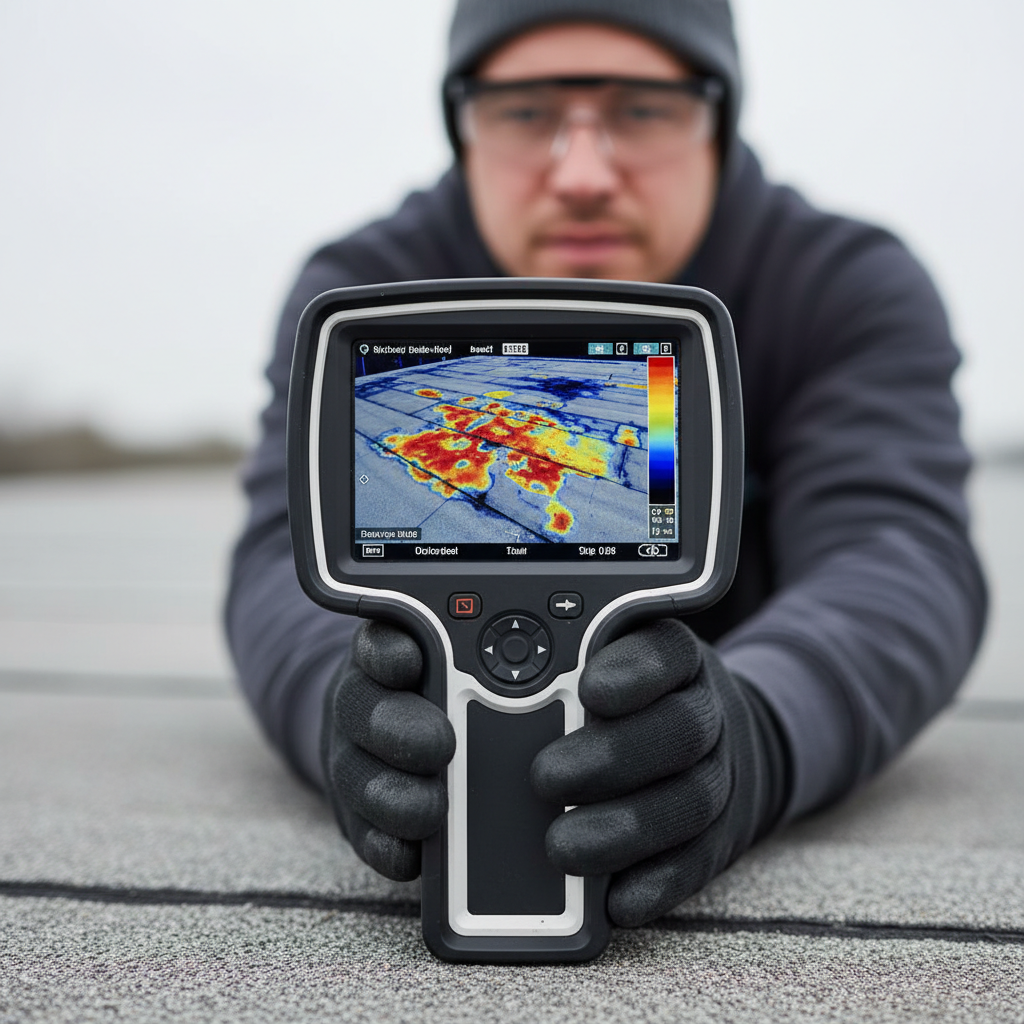
Thermal inspections are a crucial part of maintaining the integrity of a building. By using thermal imaging technology, inspectors can detect heat variations that are invisible to the naked eye. This allows them to identify potential issues before they become major problems. Early detection through thermal inspections can save building owners significant time and money.
Thermal cameras capture infrared energy emitted from surfaces, creating a visual map of temperature differences. This technology is particularly effective in identifying areas of energy loss, moisture intrusion, and electrical faults.
Preventing Energy Loss
One of the primary benefits of thermal inspections is their ability to detect energy inefficiencies. Buildings can lose significant amounts of energy through improperly sealed windows, doors, and insulation gaps. Thermal imaging helps pinpoint these areas, allowing for targeted repairs.
By addressing these issues, building owners can reduce energy consumption, leading to lower utility bills and a reduced environmental footprint. Regular thermal inspections ensure that buildings remain as energy-efficient as possible.
Detecting Moisture Intrusion
Moisture is a building's enemy, often leading to mold growth, structural damage, and health issues. Thermal inspections can identify areas where moisture may be accumulating, even if there are no visible signs.
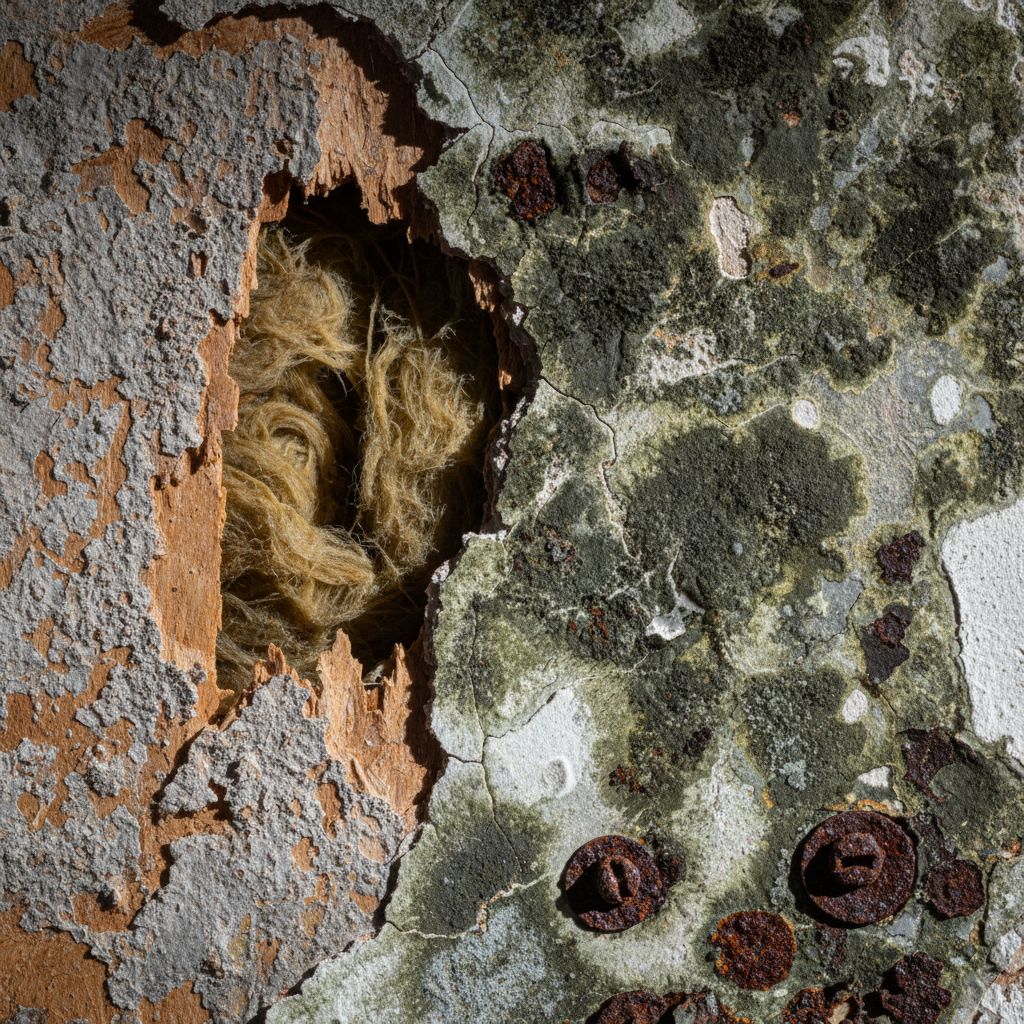
By detecting temperature differences that indicate moisture presence, inspectors can find leaks in roofs, walls, and foundations. Early detection allows for quick remediation, preventing costly repairs and health risks associated with mold exposure.
Identifying Electrical Issues
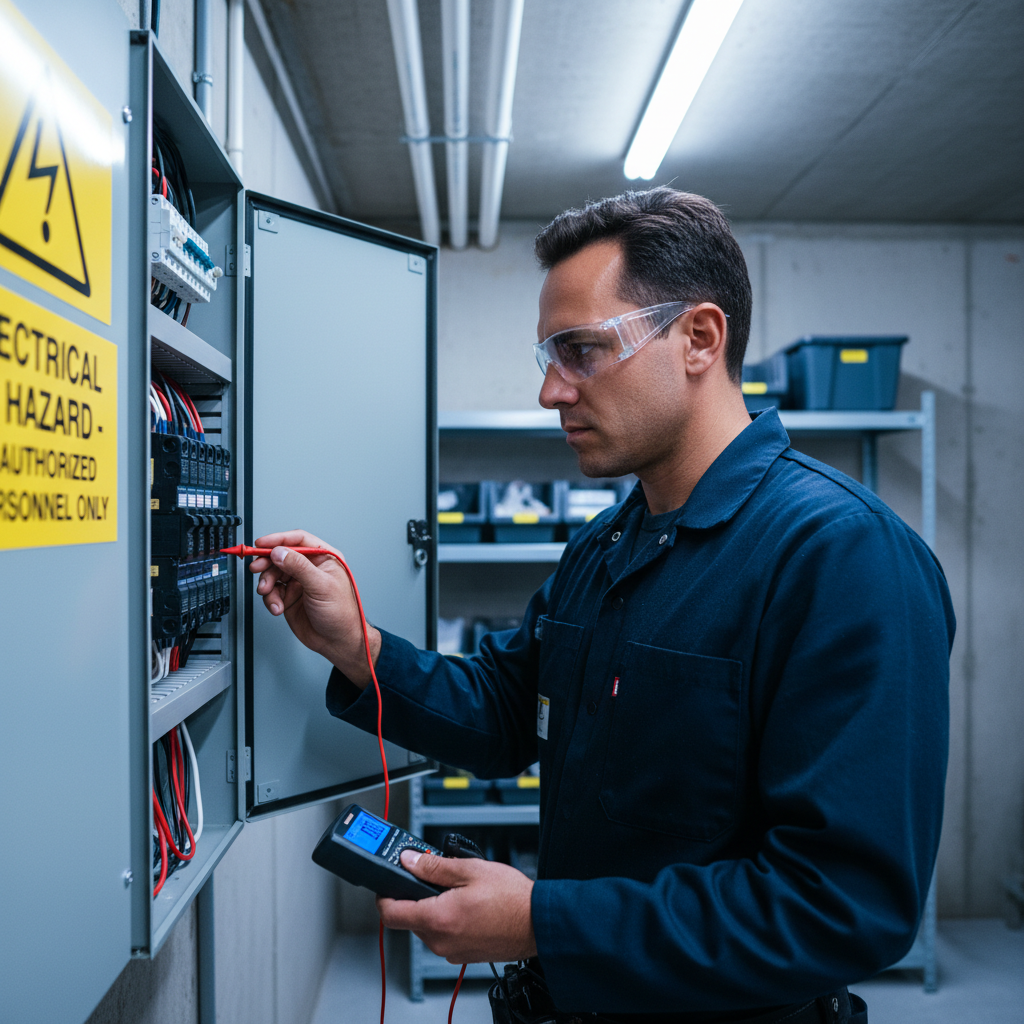
Electrical systems can pose significant safety hazards if not properly maintained. Overloaded circuits, faulty wiring, and failing components can all generate heat, which thermal imaging can detect.
- Finding overheating electrical panels
- Identifying faulty wiring connections
- Preventing potential fire hazards
Addressing these issues early can prevent electrical failures and reduce the risk of fire, ensuring the safety of building occupants.
Ensuring Structural Integrity
Thermal inspections also play a role in ensuring the structural integrity of a building. By identifying areas of heat loss or moisture accumulation, they can reveal hidden structural weaknesses.
Regular inspections help maintain the building's overall health, prolonging its lifespan and preserving its value. This proactive approach to maintenance is invaluable for property managers and building owners.
Conclusion: The Value of Thermal Inspections
Incorporating thermal inspections into regular building maintenance routines is a wise investment. They provide valuable insights that are not possible through traditional inspection methods. By identifying and addressing issues early, thermal inspections contribute to the safety, efficiency, and longevity of buildings.
For building owners and managers, the benefits of thermal inspections are clear. They not only protect the physical structure but also enhance energy efficiency and occupant safety, making them an essential part of modern building maintenance strategies.